Cleaning your boat regularly

There is no doubt that every boat owner enjoys being out on the waters with their prized boat, however not everyone feels the same way when it comes to cleaning their pride and joy.  Nevertheless, it is a task worth doing and the longer you put it off, the more painful it’ll be.  The trick here is to keep your boat well maintained by cleaning more regularly with less elbow grease.

Cleaning on a regular basis is much easier than spending hours scrubbing and washing to try getting it back to shape. What’s also important is to use cleaners that are non-toxic and will not contaminate or harm our environment.

Here are some tips to perform regularly to help make cleaning your boat achievable and also safer for the environment:

FIBREGLASS:  Combine 50/50 ratio of white vinegar and water and spray on fiberglass surfaces and wipe away with a soft microfiber towel.


DECK: Pressure spray the surface of the deck to loosen dirt and grime. Fill a tub of warm water, combine with 2 cups of vinegar and ½ cup baking soda. Scrub with a long handed hard bristle brush and rinse.

BOAT WINDSCREEN:  Watermarks on the windscreen are most frustrating for any boat owner. Keep a spray bottle of the ultimate window cleaner on hand by adding ¼ cup white vinegar, ¼ cup isopropyl alcohol, 2 cups water and 10 drops essential oil.

SEATS:  Make yourself an effective leather cleaner by mixing ½ cup warm water, ¼ cup vinegar and 10 drops of eucalyptus oil.  Apply to leather seats to clean and rejuvenate.
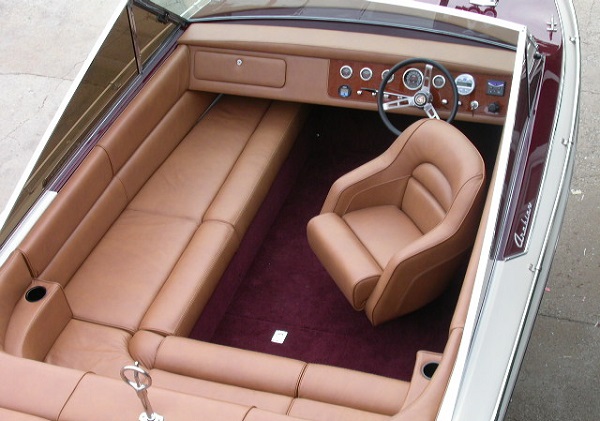

CARPETS:  Borax is not only for the laundry, it is a great natural cleaning agent for carpet.  Spray water on stained areas and sprinkle with borax.  Lay a damp towel over the area and begin blotting to lift stains.

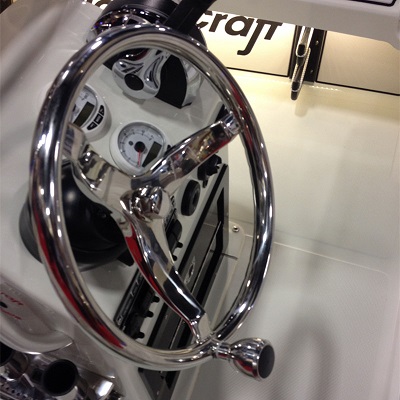
STAINLESS STEEL:  Eucalyptus oil has fantastic antibacterial cleaning properties and is a great deodorizer.  Shine and polish stainless steel by adding a few drops to a cloth and rub.

It is important to protect your investment and clean your boat to prevent algae and corrosion build up from salt water.  If you are really not the type to perform DIY cleaning and prefer to pay for such a service, why not be savvy and obtain a cleaning quote or two, it could save you time and money.

Safeboating Practices

Every year in Australia and around the coastline people are taking up the recreational sport of boating. Whether they are tourists or locals that hire a dingy for a small fishing trip off the coastline or own a boat and go up and down the river for recreational use, to the even larger excursions such as a chartered fishing trip, a sailing experience on a catamaran or enjoying a holiday on a cruise ship. Australia is a very fortunate country to have lots of beaches, rivers and seas around us where we can enjoy and create such experiences with boats. However, it can also be very dangerous territory. If you are not careful nor cautious when you are in and around water it could cost you, your life. That is why, we are committed to help you not only enjoy your time in the water and out at sea when you are taking a boat out but we like to ensure that you will also return safely from your trip by providing a knowledge base with everything you need to know about safe boating.

10 safe boating tips when taking your boat out to sea

1. Wearing life jackets and life belts are essential. These are the main things to be done before setting out to sail. This will keep you from falling overboard and this is the most essential equipment for one’s safety.

2. Create and follow the existing pre-departure check list. This checklist can be used as a guidance. This way nothing will slip out of mind and it is a pre-planned procedure for everyone’s safety on board.

3. Before planning for boating trip, be sure about the local weather forecast and conditions. If the clouds are dark and there are high winds or if the temperature suddenly drops then it is a good idea to call off and reschedule for another day. It’s all about being responsible.

4. Do not consume alcohol on board. According to researches it is known that the risk of sailing accidents is more frequent when the driver of a boat is under the influence of alcohol. The effects of alcohol will be increased due to the sun, wind and swell of the sea and alcohol and water sports do not mix.

5. Proper clothing and footwear also play an important role in the boating safety. Always choose to wear non-slip shoes. Packing waterproof clothing such as rain jackets are essential. To combat crosswinds while out on the boat and most importantly packing a hat and sunscreen will help to avoid sunburns and from sunstrokes from being in the sun all day.

6. Know the area well, knowledge of the area is important as it will give you information on where you can take your boat and where you can’t and the possible dangers and hazards to avoid. You should understand the challenges that may occur and be equipped to handle them before taking your boat out. Follow the navigation rules remember to keep a safe distance between other watercrafts.

7. Be aware of the speed limits and obey them especially in the areas where it is crowded. Staying alert is very important and an essential skill when controlling a boat.

8. To avoid seasickness, avoid sailing on an empty stomach. An empty stomach can cause seasickness more easily comparatively with someone that is full. It is advisable to pack some food before setting for sail and if need be pack some motion sickness medication.

9. Packing a good first-aid kit is absolutely vital. This should include any surgical equipment, bandages and medication for pain. A good radio will also help too in case of an emergency.

10. Be prepared with a first aid course. These courses will be available online or one can learn it in local community. Understanding what to do in the case of an emergency is vital for survival, especially when you set out on a boat and don’t have immediate access to help. You need to know what to do.